CFDs are broker-issued contracts traded over-the-counter, while futures are standardized exchange-traded contracts with fixed expiration dates. The main difference lies in regulation, cost structure, and counterparty risk.
Most beginner traders ask the same question: what is the difference between CFD and futures when both seem to offer similar leverage and profit potential? The answer impacts everything from your trading costs to regulatory protection.
This guide explains CFD trading vs futures in simple terms. You’ll discover which instrument suits your experience level, capital requirements, and trading goals.
What is CFD Trading?
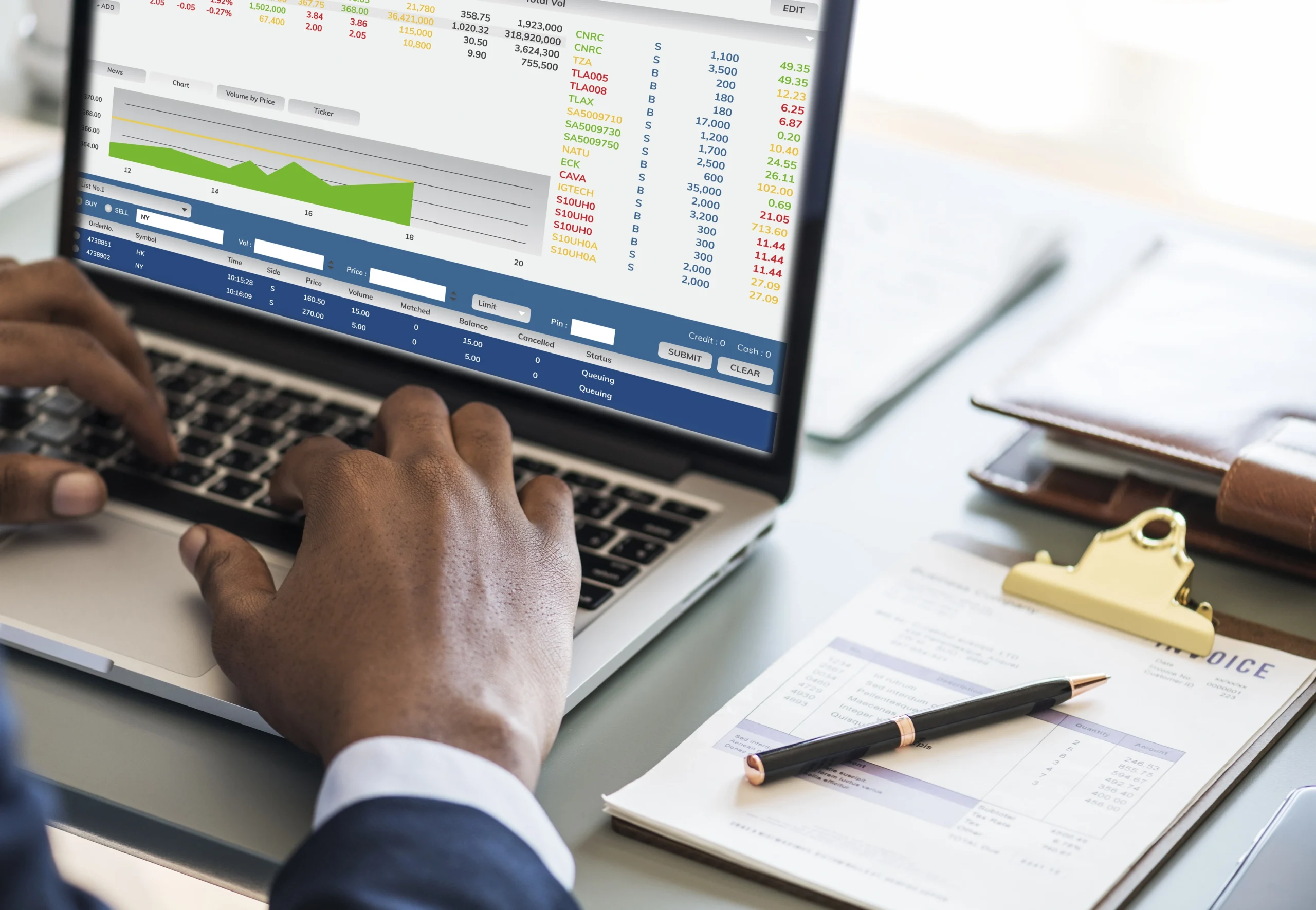
Contract for Difference (CFD) trading lets you speculate on price movements without owning the underlying asset. Your broker acts as the counterparty to every trade.
Key CFD characteristics:
- No ownership of actual assets
- Profits based on price differences
- Flexible position sizes
- No expiration dates
- Overnight funding charges apply
How CFDs Work
When you open a CFD position, you’re essentially making a bet with your broker about price direction. The broker hedges their risk by taking positions in underlying markets.
Most retail CFD platforms offer significant leverage:
- Stocks: 5:1 to 20:1
- Forex: 30:1 (ESMA regulated)
- Commodities: 10:1 to 20:1
- Cryptocurrencies: 2:1
CFD Trading Examples
Positive Scenario: Sarah opens a long Apple CFD position at $150 per share. Using 10:1 leverage with $1,000 capital, she controls $10,000 worth of exposure.
Apple rises to $165 per share. Her profit: $1,500 (15% price gain becomes 150% return on margin).
Negative Scenario: Mark holds EUR/USD CFDs overnight during volatile economic news. The position moves against him by 2%.
Combined with overnight funding charges (0.1%) and 30:1 leverage, his $2,000 account drops to $600 in one session.
CFD Benefits and Drawbacks
Benefits:
- Flexible position sizing
- No expiration dates
- Global market access
- Can profit from falling prices
Drawbacks:
- Wider spreads than futures
- Overnight funding charges
- Counterparty risk with broker
- Limited regulatory protection
ابر best CFD trading platforms typically charge benchmark rates plus 2.5% to 7% annually for overnight positions.
What is Futures Trading?

Futures are standardized contracts traded on regulated exchanges. They specify exact quantities, delivery dates, and settlement terms.
Key futures characteristics:
- Exchange-traded with full transparency
- Standardized contract sizes
- Fixed expiration dates
- Lower spreads than CFDs
- Clearinghouse guarantees
How Futures Contracts Work
Every futures trade occurs on organized exchanges like CME, ICE, or EUREX. Clearinghouses guarantee contract performance, eliminating counterparty risk.
Price discovery happens through open auction systems with transparent:
- Volume data
- Order flow information
- Market depth
ابر CME achieved record revenue of $6.1 billion in 2024, demonstrating institutional preference for exchange-traded derivatives.
Futures Trading Examples
Agricultural Example: A corn futures contract controls 5,000 bushels. At $4.50 per bushel, contract value is $22,500.
Required margin: approximately $1,800 (providing 12:1 leverage). Farmers use these contracts to hedge against price movements in spot prices.
Financial Example: E-mini S&P 500 futures represent $50 times the index value. At 4,500 points, one contract controls $225,000.
Overnight margin requirement: approximately $6,000 (offering 37:1 leverage). Day traders can access much lower intraday margins.
Futures Benefits and Drawbacks
Benefits:
- Transparent pricing
- Lower spreads
- No counterparty risk
- Professional trading tools
- Regulatory oversight
Drawbacks:
- Larger minimum contract sizes
- Fixed expiration dates
- Higher account minimums typically required
- More complex for beginners
Professional institutions favor futures because professional traders prefer transparent markets with advanced analytical capabilities.
CFDs vs Futures: Key Differences
Understanding the difference between CFD and futures helps you choose the right instrument for your trading strategy.
Trading Venue and Regulation
CFDs:
- Over-the-Counter (OTC) trading
- Broker acts as counterparty
- Regulation varies by jurisdiction
- ESMA limits leverage for EU retail traders
Futures:
- Exchange-traded with full transparency
- Clearinghouse guarantees all trades
- Strict regulatory oversight (CFTC, etc.)
- Standardized terms and conditions
Contract Specifications
CFDs:
- Flexible position sizing
- Custom lot sizes available
- No expiration dates
- Overnight funding charges
Futures:
- Standardized contract sizes
- Fixed specifications
- Predetermined expiry dates
- Future prices include time value
Cost Structure Comparison
CFD Costs:
- Wider spreads (broker markup)
- Overnight financing charges
- Commissions on stock CFDs
- Variable costs that change daily
Futures Costs:
- Tighter spreads
- Exchange and clearing fees
- Transparent commission structure
- No overnight financing (built into price)
Major brokers charge commissions starting from $0.02 per share for stock CFDs, while futures have fixed fee structures.
Leverage and Margin Requirements
CFD Leverage:
- Retail: 2:1 to 30:1 (ESMA regulated)
- Professional: up to 500:1
- Varies by asset class
- Broker-dependent
Futures Leverage:
- Typically 10:1 to 50:1
- Exchange-set margins
- Based on contract volatility
- Consistent across brokers
Comparison Table: CFDs vs Futures
| Feature | CFDs | Futures |
| Trading Venue | OTC (Broker) | Regulated Exchanges |
| Contract Size | Flexible | Standardized |
| Expiration | None | Fixed dates |
| Spreads | Wider | Tighter |
| Leverage (Retail) | 2:1 to 30:1 | 10:1 to 50:1 |
| Overnight Costs | Yes | No (built-in) |
| Counterparty Risk | High (broker-dependent) | Low (clearinghouse) |
| Transparency | Limited | Full |
| Regulation | Variable | Strict oversight |
| Minimum Capital | Lower | Higher typically |
Risk Exposure Comparison
Both instruments amplify risk exposure through leverage. However, futures offer:
- Better regulatory protection
- Transparent profit and loss calculation
- Standardized risk management
CFDs provide:
- Lower barriers to entry
- Flexible trading strategies
- Easier position management
Which Should You Choose?
Your choice between futures vs CFD depends on experience level, capital, and trading goals.
CFDs Work Better For:
Beginner traders who need:
- Lower minimum deposits
- Flexible position sizing
- Simple platform interfaces
- No expiration date pressure
Short-term strategies involving:
- Day trading with small accounts
- Testing different markets
- Learning leverage gradually
- Automated trading systems
Futures Work Better For:
Experienced traders who want:
- Transparent market data
- Professional-grade tools
- Lower trading costs long-term
- Regulatory protection
Institutional strategies requiring:
- Precise hedging capabilities
- Advanced order types
- Market depth analysis
- Risk management tools
Many traders using NinjaTrader VPS services prefer futures for their consistent execution and reliable data feeds.
Platform and Infrastructure Needs
Both CFDs and futures demand robust technical infrastructure:
For CFDs:
- Stable internet connection
- Reliable broker platform
- Risk management tools
- Real-time price feeds
For Futures:
- Professional trading platforms
- Low-latency connections
- Advanced charting tools
- Market data subscriptions
ابر best prop firms typically prefer futures due to transparent pricing and regulatory oversight.
Final Thoughts on CFD Trading vs Futures
The choice between CFD trading vs futures comes down to your specific needs as a trader. CFDs offer accessibility for beginners, while futures provide institutional-grade features for serious traders.
Choose CFDs if you’re:
- Starting with limited capital
- Learning to trade with leverage
- Need flexible position sizes
- Want simple market access
Choose futures if you want:
- Transparent pricing
- Lower long-term costs
- Professional trading tools
- Regulatory protection
Both instruments carry significant risk through leverage. Proper risk management remains essential regardless of your choice. Success depends more on your trading strategy and discipline than the specific instrument you select.
Consider your technical infrastructure needs too. Reliable connectivity becomes critical when trading leveraged derivatives, especially for automated trading strategies.